
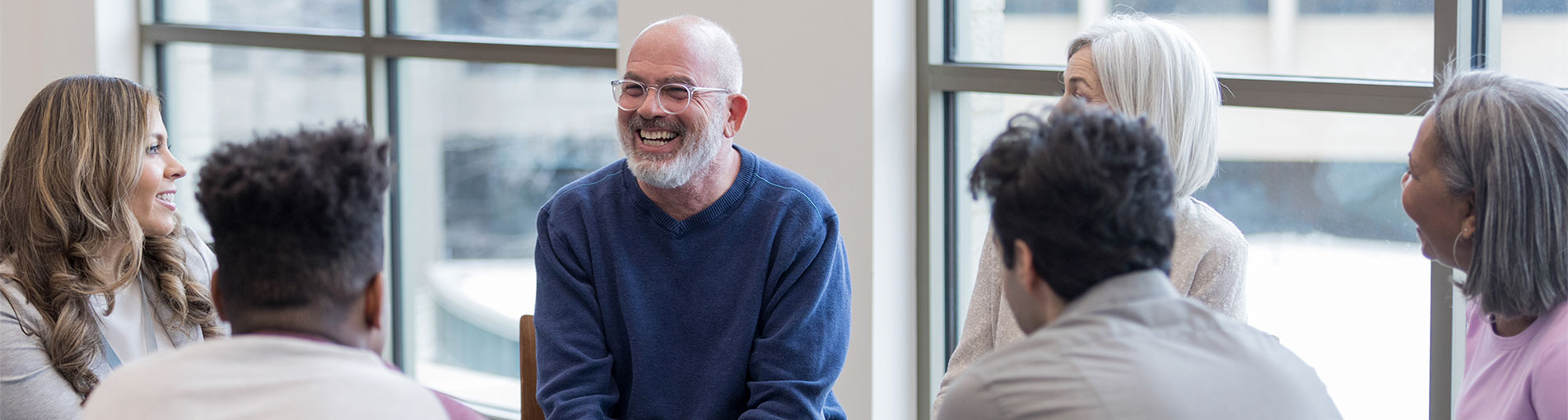
Teacher-ProGRESS supports schools, school leaders, staff teams, and individual teachers in Berlin and Brandenburg through group-analytic supervision. Our services provide a safe space to reflect on stressful situations, better understand group and relationship dynamics, and develop new ways of responding.
Supervision for Schools
Regular case-based supervision with teachers, educational professionals, and school leaders is at the heart of our work in schools. Sessions generally take place every four to six weeks and last approximately 90 to 180 minutes, depending on group size and the agreed format.
We work with concrete situations from everyday school life, such as classroom disruption, violence and bullying, difficult relationships in educational settings, staff conflicts, and challenges in school development. When needed, we also support schools with urgent and unforeseen issues, for example by facilitating difficult discussions with parents, school supervisory authorities, or other people involved.
Supervision can be complemented by quantitative empirical evaluation research. This makes developments visible and helps us continually refine the work in collaboration with the school.
Cross-School Supervision Group for Teachers
We are creating a cross-school supervision group for teachers whose schools do not offer supervision of their own. The service is aimed particularly at teachers at the start of their careers and those entering teaching from another profession. Experienced teachers who would like to reflect on stressful situations in their everyday work are also welcome.
In this confidential group, participants can bring their own cases and explore them together with teachers from other schools. With no direct working relationships or hierarchies from their own staff teams involved, they can discuss their experiences openly and draw on different school perspectives.
Group-Analytic Professional Development for Teachers
We want to encourage more teachers to undertake group-analytic professional development and apply the group-analytic stance in their everyday work. To develop this idea further and give educational perspectives a stronger place in group-analytic training, we collaborate with the Berlin Institute of Group Analysis (BIG).